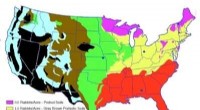
Here are some of the factors that can affect the resilience of grassland soils:
* Climate: Grassland soils are adapted to a specific climate range. If the climate becomes too wet or too dry, the soil may not be able to handle the change and it may degrade.
* Grazing: Moderate grazing can actually help to improve grassland soil health. However, heavy grazing can damage the soil, leading to compaction, erosion, and a loss of organic matter.
* Fire: Fire can be a natural part of grassland ecosystems. However, frequent or intense fires can damage the soil, especially if the soil is not given enough time to recover.
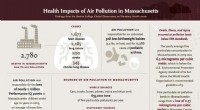
* Pollution: Pollution can damage grassland soils in a number of ways. For example, agricultural chemicals can pollute the soil and make it toxic to plants. Heavy metals from mining or industrial activities can also contaminate the soil and make it unsafe for grazing.
Despite these challenges, grassland soils are generally resilient and can recover from disturbances if they are given time. Conservation practices such as sustainable grazing, fire management, and reducing pollution can help to protect grassland soils and ensure their long-term health.