This concentration of turtles has been a mystery, as there seemed to be no obvious explanation for why so many turtles would choose to nest on such a small and seemingly inhospitable island. However, a recent study published in the journal Current Biology may have finally solved the mystery.
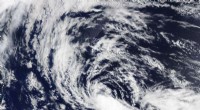
The study, led by researchers from James Cook University in Australia, suggests that Raine Island's unique location and ocean currents may create a "turtle superhighway" that guides the turtles to the island. The island is situated at the convergence of several major ocean currents, which create a predictable and favorable pathway for the turtles to follow during their migration.
Using satellite tracking technology, the researchers tracked the movements of 29 adult female green turtles over a period of several months. They found that the turtles consistently followed a specific migration route, traveling thousands of kilometers from their feeding grounds in the Torres Strait and the Gulf of Papua to Raine Island.
The turtles were found to swim along specific ocean currents, such as the East Australian Current and the New Guinea Coastal Current, which act as a kind of "superhighway" guiding the turtles to the island. The researchers believe that the turtles may be using these currents to conserve energy and navigate efficiently over long distances.
The study also found that the turtles showed a high degree of fidelity to Raine Island, returning to the same island to nest year after year. This suggests that the turtles have a strong memory and navigational ability, and that they may be using landmarks or other cues to find the island.
The discovery of this "turtle superhighway" and the high degree of fidelity to Raine Island provide important insights into the behavior and navigation of green turtles. It also highlights the importance of protecting these critical nesting sites, as any disruptions to the ocean currents or the island's habitat could have significant impacts on the survival of the green turtle population.