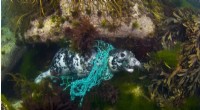
Fear can have a profound impact on animal populations, leading to what's known as the "extinction cascade". Ecologist James A. Estes identified the extinction cascade in 1991, using the Steller sea lion and sea otter populations in the North Pacific Ocean as an example. Orcas fed primarily on sea lions, which fed primarily on sea otters. Sea otters controlled kelp populations by feeding on sea urchins. When humans hunted the sea otters nearly to extinction, urchin populations exploded, overgrazing the kelp and depriving the sea otters of food. Unable to recover, sea otter populations continued to decline, and sea lion populations crashed as a result. The entire ecosystem was drastically altered due to the loss of the sea otters.
Other Examples of Fear-Driven Extinction
1. Passenger Pigeon: As the largest avian migration in the world, passenger pigeons were abundant across the North American continent until the mid-19th century. However, overhunting and relentless hunting for sport led these birds to live in perpetual fear of predators, including humans and hunting hawks. This state of constant anxiety had serious consequences for their reproduction, leading to their dramatic decline and extinction in 1914.
2. Mountain Gorilla: Mountain gorillas were once thriving in the forests of central Africa. However, the ongoing conflict and wars in the region created an atmosphere of fear and threat, leading to habitat destruction and increased poaching for meat and trophies. The mountain gorilla's already small population suffered greatly as a result, pushing them to the brink of extinction.
3. Asian Elephants: Asian elephants are highly intelligent and social creatures. However, their natural habitats have been shrinking rapidly due to deforestation, human-elephant conflicts, and poaching for ivory and traditional medicine. The constant fear of humans has led to disruption in their social behavior and reproductive success, further contributing to population declines.
Fear, whether due to predation, hunting, or human presence, can trigger hormonal and physiological changes in animals that disrupt their ability to feed, reproduce, and survive. This can have far-reaching consequences within ecosystems and ultimately contribute to accelerated extinction rates. Proactive conservation measures are essential to minimize fear-related impacts on wildlife populations and protect endangered species.