Climate change poses significant threats to public health,尤其是在城市地区, where dense populations and infrastructure are vulnerable to extreme weather events, heat waves, and air pollution. To mitigate these impacts, cities need to prioritize public health in their planning and decision-making. A recent study provides valuable insights into how cities can effectively address climate-related health risks.
Key Findings:
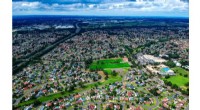
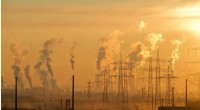
1. Heat and Air Pollution: The study highlights that heatwaves and air pollution, which are exacerbated by climate change, contribute to increased respiratory and cardiovascular illnesses, premature deaths, and hospitalizations. Urban areas are particularly susceptible due to the urban heat island effect and high traffic volumes.
2. Vulnerable Populations: The research identifies specific demographic groups that are disproportionately affected by climate-related health impacts. These include the elderly, children, low-income individuals, and those with underlying health conditions. These vulnerable populations require targeted interventions to ensure equitable access to healthcare and resilience.
3. Urban Planning: The study emphasizes the importance of adopting climate-resilient urban planning and design strategies. Promoting green infrastructure, tree planting, and the creation of cool, shady spaces can help reduce heat stress and improve air quality. Compact urban development and mixed-use zoning can also encourage walking and cycling, reducing both air pollution and greenhouse gas emissions.
4. Public Health Infrastructure: Investing in public health infrastructure is critical to addressing climate-related health challenges. This includes strengthening surveillance systems to monitor health risks, expanding access to healthcare services, and developing emergency preparedness plans for extreme weather events. Collaboration between public health agencies, urban planners, and other stakeholders is essential to ensure effective implementation.
5. Community Engagement: Engaging with local communities plays a vital role in promoting climate resilience and public health. Raising awareness about climate-related health risks, encouraging behavior change, and promoting community-based initiatives can enhance community resilience and empower individuals to take protective actions.
Recommendations for Action:
Based on the study's findings, the following actions are recommended to prioritize public health in cities in the face of climate change:
- Develop comprehensive climate adaptation plans that integrate public health strategies, including heat mitigation, air quality improvements, and support for vulnerable populations.
- Invest in climate-resilient urban infrastructure, such as green spaces, sustainable transportation options, and energy-efficient buildings.
- Strengthen public health surveillance and emergency preparedness systems to respond effectively to climate-related health events.
- Collaborate across sectors and engage local communities to raise awareness, promote behavior change, and support community-based resilience initiatives.
- Allocate resources equitably to ensure that vulnerable populations have access to healthcare services, safe housing, and other essential resources.
By implementing these recommendations, cities can enhance their resilience to climate change impacts and safeguard the health and well-being of their residents. Prioritizing public health in urban planning and decision-making is crucial for creating livable, sustainable, and healthy cities in a changing climate.