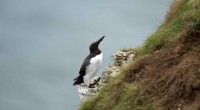
Islands, surrounded by vast stretches of water, provide unique environments that challenge their inhabitants to adapt and evolve. The limited resources, isolated locations, and distinct ecological conditions found on islands can lead to remarkable evolutionary changes in the species that call them home. Homebody island birds, species that have evolved to remain on their native islands rather than migrate, offer valuable insights into the processes of adaptation and evolution. By studying these "stay-at-home" avian residents, we can uncover fascinating tales of resilience, specialization, and diversification.
Adapting to Island Life: Unique Challenges
1. Limited Resources: Islands often have limited food sources and freshwater. Homebody birds must either adapt their diets to these limited resources or face competition from other species. Evolutionary changes in beak shape, body size, and digestive systems help them exploit specific food niches successfully.
2. Lack of Predators: Many islands lack the diverse predators found on continents. This relaxed selection pressure leads to relaxed selection for defensive adaptations. Over time, homebody birds can evolve reduced wing size, decreased flight ability, and loss of camouflage if no predators threaten their survival.
3. Population Bottlenecks: Small island populations are more susceptible to genetic drift and founder effects. These events introduce significant genetic changes quickly, leading to rapid speciation and diversification of homebody birds.
Key Evolutionary Changes in Homebody Birds
1. Size Variation: Island birds undergo significant size changes compared to their mainland counterparts. Some become larger to exploit new food sources (Island Gigantism), while others shrink to better utilize limited resources (Island Dwarfism). This size variation helps reduce ecological competition within their insular habitat.
2. Flight Adaptations: Many homebody island birds lose the ability to fly over generations. The absence of long-distance predators or migration demands reduces the need for powerful flight capabilities. This reduced flying ability conserves energy, making them better suited to life on small islands.
3. Specialized Nesting and Mating Behaviors: Unique nest-building techniques may evolve to withstand strong island winds or protect eggs from predators. Homebody birds also develop diverse mating strategies based on the available resources and social structures within their insular ecosystems.
4. Adaptive Radiations: In cases of high isolation and diverse ecosystems, homebody birds undergo impressive adaptive radiations. Their descendants diversify into a wide range of species each suited to specific ecological niches found only on their island. The famous Darwin's finches of the Galapagos are a classic example of this evolutionary phenomenon.
Conservation Implications and Future Research
The study of homebody island birds and their adaptations enhances our understanding of evolutionary processes. Homebody birds also serve as vital components of island ecosystems by pollinating plants, dispersing seeds, and controlling pest populations. Recognizing and protecting the unique biodiversity of homebody birds ensures the ecological health and stability of island ecosystems. Ongoing research, conservation efforts, and monitoring of homebody island birds help provide invaluable insights into how life adapts and evolves in response to environmental challenges, aiding our comprehension of the vast tapestry of evolution on Earth.