Indigenous peoples have a long history of sustainably managing forests, and their traditional knowledge and practices can play a vital role in climate change mitigation.
* Forest conservation: Indigenous peoples have been instrumental in conserving forests, which are essential for absorbing carbon dioxide from the atmosphere. Studies have shown that indigenous-managed forests are more likely to be intact and have higher levels of biodiversity than forests managed by non-indigenous peoples.
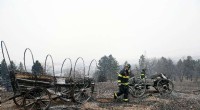
* Sustainable land use: Indigenous peoples have often developed sustainable land use practices that minimize deforestation and degradation. For example, they may use traditional fire management techniques to prevent wildfires and promote forest regeneration.
* Traditional knowledge: Indigenous peoples have a wealth of traditional knowledge about the environment and how to live in harmony with it. This knowledge can be used to develop climate change mitigation strategies that are both effective and culturally appropriate.
Examples of Indigenous Climate Change Mitigation Initiatives
There are many examples of indigenous-led climate change mitigation initiatives around the world.
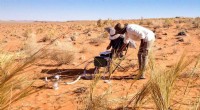
* In Australia, the Aboriginal Carbon Foundation is working with indigenous communities to develop carbon farming projects that reduce greenhouse gas emissions.
* In Brazil, the Indigenous Council of Roraima is working to protect the rainforest from deforestation and promote sustainable development.
* In Canada, the Assembly of First Nations is working with the government to develop a national climate change adaptation strategy that incorporates indigenous knowledge and perspectives.
These are just a few examples of the many ways that indigenous peoples are taking action to mitigate climate change. Their traditional knowledge and practices can play a vital role in creating a more sustainable future for all.
Conclusion
Indigenous peoples have a long history of sustainably managing forests and their traditional knowledge and practices can play a vital role in climate change mitigation. By supporting indigenous peoples' rights and empowering them to continue their traditional practices, we can help to reduce greenhouse gas emissions and protect the environment.