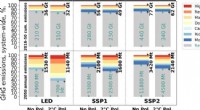
How Your Purchases Affect Land-Use Footprint:
1.Food Choices:
- Consuming meat, particularly beef and lamb, requires substantial land for grazing and feed production. Shifting towards plant-based diets can significantly reduce your land-use footprint.
2.Transportation:
- Choosing fuel-efficient vehicles, using public transportation, or opting for cycling/walking reduces your transportation-related land use footprint.
3.Goods and Services:
- Buying locally produced goods, supporting sustainable businesses, and reducing consumption can all lower your overall land-use footprint.
Influence of Residential Location:
1.Urban Living:
- Living in dense urban areas reduces land use per person, as infrastructure and resources are shared efficiently.
2.Suburban Sprawl:
- Sprawling suburban developments require more land for housing, roads, and other infrastructure, increasing the land-use footprint.
3.Land Use Planning:
- Well-planned communities that incorporate mixed-use zoning, parks, and efficient transportation systems minimize land-use pressures.
Reducing Your Land-Use Footprint:
1.Lifestyle Changes:
- Adopt a conscious consumption lifestyle, focusing on quality over quantity.
2.Supporting Sustainable Practices:
- Choose products and services that prioritize sustainability and minimize environmental impacts.
3.Advocate for Change:
- Support local policies that promote sustainable land use and urban planning.
By making informed choices about our purchases and where we live, we can contribute to more sustainable land use patterns. This helps preserve ecosystems, biodiversity, and the overall health of our planet for future generations.