1. Water restrictions: Water restrictions are often implemented during droughts to reduce water usage. These restrictions may limit outdoor water use, such as watering lawns and washing cars, and encourage water conservation measures inside homes and businesses.
2. Water rationing: In severe droughts, water rationing may be necessary. This involves allocating a specific amount of water to each household or business, based on essential needs. Water rationing helps ensure that everyone has access to a basic amount of water, even during times of scarcity.
3. Use of alternative water sources: During droughts, communities may turn to alternative water sources to supplement their regular water supply. This could include desalinated seawater, recycled wastewater, or water collected from rain barrels.
4. Emergency water distribution: In extreme drought conditions, emergency water distribution may be necessary to provide water to vulnerable populations. This could involve providing water tanks or trucks to deliver water to areas that are experiencing water shortages.
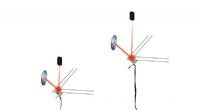
5. Cloud seeding: Cloud seeding is a weather modification technique that aims to increase precipitation by dispersing substances into the air that stimulate cloud formation and rainfall. Cloud seeding is sometimes used during droughts to try to increase rainfall in affected areas.
The specific methods used to distribute water during a drought depend on the severity of the drought, the available water resources, and the infrastructure in place.