1.Shifts in Species Distribution: As the climate changes, species may move to more suitable habitats, creating new ecological communities and disrupting existing ones. This can alter ecosystem dynamics, such as competition for resources, predator-prey interactions, and mutualistic relationships.
2.Loss of Biodiversity: Climate change can cause population decline and increased risk of extinction for vulnerable species that are unable to adapt to the rapidly changing conditions. The loss of even a single species can have cascading effects on the ecosystem.
3.Changes in Phenology: Climate change can affect the timing of biological events, such as the leafing of plants and the migration of animals. These phenological changes can disrupt ecological relationships, such as plant-pollinator interactions, with consequences for ecosystem stability and productivity.
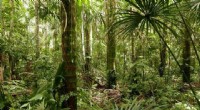
4.Habitat Alterations: Climate change can alter physical habitats, such as coral reefs, forests, and tundra. Rising sea levels, melting glaciers, and changes in temperature and precipitation can modify habitats rapidly, leading to ecosystem shifts and species loss.
5.Disruption of Food Webs: Climate change can affect the abundance, distribution, and interactions of species across trophic levels. This can disrupt food webs, alter energy flow, and cause imbalances in ecosystem dynamics.
6.Ocean Acidification: The increased absorption of carbon dioxide by the oceans lowers their pH levels, leading to ocean acidification. This acidification can harm marine organisms, particularly those with calcium carbonate shells or skeletons, such as corals and shellfish.
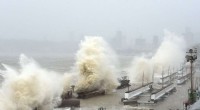
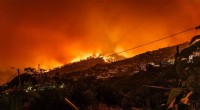
7.Extreme Weather Events: Climate change can lead to an increase in the frequency and intensity of extreme weather events, such as hurricanes, floods, wildfires, and droughts. These events can cause significant ecosystem disruptions, including habitat destruction, biodiversity loss, and soil erosion.
8.Disease Spread: Climate change can expand the geographical range of disease vectors, such as mosquitoes, ticks, and rodents, which can transmit diseases to new host species. This can disrupt ecosystem health and affect human populations living in or near these ecosystems.
9.Disruption of Ecosystem Services: Climate change can compromise the ecosystem services that humans rely on, such as pollination, water purification, nutrient cycling, and carbon sequestration. These disruptions can have far-reaching effects on human societies and economies.
The disruptions caused by climate change underscore the urgent need for mitigation efforts to reduce greenhouse gas emissions and adaptation measures to support ecosystems and species in the face of a rapidly changing climate.