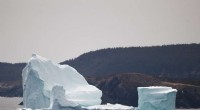
As the Arctic warms, the ice that covers these lakes is melting earlier in the year and freezing later in the fall. This is leading to longer ice-free seasons and increased evaporation from the lakes. The increased evaporation can cause the lakes to become saltier, which can have negative impacts on the organisms that live in them.
The melting ice is also releasing methane, a potent greenhouse gas, into the atmosphere. Methane emissions from Arctic lakes are expected to increase as the climate continues to warm, and this could further contribute to climate change.
In addition to their direct effects on climate, Arctic lakes also affect the climate indirectly by altering the flow of energy and water in the Arctic region. For example, the melting ice on Arctic lakes can lead to changes in ocean currents, which can affect weather patterns around the world.
Understanding how Arctic lakes respond to and affect climate change is critical for predicting future climate change impacts and developing strategies to adapt to them.
Here are some specific examples of how Arctic lakes are responding to and affecting climate change:
* Earlier ice melt: The ice cover on Arctic lakes is melting earlier in the year, on average, by about 2 weeks per decade. This is due to rising air temperatures in the Arctic, which are caused by climate change.
* Later ice freeze: The ice cover on Arctic lakes is also freezing later in the fall, on average, by about 2 weeks per decade. This is also due to rising air temperatures in the Arctic.
* Increased evaporation: The increased evaporation from Arctic lakes is causing the lakes to become saltier. This can have negative impacts on the organisms that live in them, such as fish and zooplankton.
* Increased methane emissions: The melting ice on Arctic lakes is releasing methane, a potent greenhouse gas, into the atmosphere. Methane emissions from Arctic lakes are expected to increase as the climate continues to warm, and this could further contribute to climate change.
* Changes in ocean currents: The changes in ocean currents caused by the melting ice on Arctic lakes can affect weather patterns around the world. For example, the melting ice in the Arctic Ocean is causing the Gulf Stream to slow down, which is leading to changes in weather patterns in Europe and North America.
The changes that are occurring in Arctic lakes are a clear sign of climate change, and they are having a significant impact on the Arctic environment and the global climate.