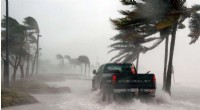
2) Resource constraints: As climate change leads to more extreme weather events and scarcity of resources, like water, food, and land, some may see having children as a burden on both their own lives and the planet.
3) Ethical considerations: Some may consider the act of bringing new life into a world facing severe climate challenges as unethical. They believe it's better not to create new life that will have to endure suffering or struggle in a deteriorating environment.
4) Financial concerns: Raising children in a world impacted by climate change may entail significant financial challenges due to increased costs for food, water, shelter, healthcare, and education. Some may be hesitant to bring a child into a situation where they may struggle financially.
5) Psychological impact: The psychological stress and anxiety associated with the consequences of climate change can discourage some from wanting to bring children into a world that appears to be uncertain and bleak.
6) Concern for global well-being: Some choose not to have children as a means of reducing their own carbon footprint and overall consumption, believing that this will contribute to alleviating the burden on the planet's resources.
7) Health-related concerns: Climate change can contribute to health issues such as heat-related stress, respiratory problems, and infectious diseases. Some may avoid having children due to concerns about their children potentially suffering from health conditions related to climate change.