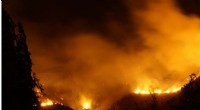
Nestled in the awe-inspiring Sierra Nevada mountain range, Yosemite National park holds a special place known as the Tuolumne River Watershed. This landscape of lush forests, cascading waterfalls, and abundant wildlife thrived for centuries, providing sustenance and sustenance and spiritual significance to the native tribes that called it home. However, in 1890, a massive fire swept through the watershed, leaving a path of devastation and altering the course of its history.
The aftermath of the fire was a charred landscape, with forests burnt to a crisp and the once-vibrant ecosystem struggling to recover. Conservationist of the time, including notable John Muir, advocated for a "let nature take its course "approach, allowing the watershed to heal on its own.
Remarkably, over the decades, the burnt forest underwent a remarkable transformation. Fire-resistant tree species, such as pines, began to repopulate, creating dense, resilient stands. Shrubs and wildflowers thrived in the fertile soil left behind by the fire, providing nourishment for birds, insects, and other wildlife. The Tuolumne River, the lifeblood of the watershed, regained its clarity and purity as vegetation on the riverbanks acted as natural filters.
As wildlife returned and established new habitats, the balance of the ecosystem was re-established. The once-sterile landscape transformed into a harmonious mosaic of forests, meadows, and aquatic habitats. The fire, despite its destructive force, had set the stage for regrowth and renewal.
However, the road to recovery was not without challenges. The altered ecosystem attracted new species that competed with native plants and animals. Non-native grasses, for instance, began to dominate certain areas, affecting the composition of the meadows. Invasive species, such as cheatgrass, fueled wildfires more readily, posing risks to the restored watershed.
Researchers, conservationist, and land managers collaborated to address the emerging threats. They meticulously managed vegetation to curb the spread of non-native plants, implemented controlled burns to reduce fuel buildup, and worked tirelessly to educate the public about the critical role of fire in the ecosystem's health.
The tale of the Tuolumne River Watershed teaches us about the resilience of nature's ability to recover and adapt after disturbances. The harmonious dance between fire and water, when respected, can lead to rejuvenation and revitalization. It also highlights the importance of human stewardship in guiding ecosystem recovery, ensuring that the delicate balance of nature can thrive for generations to come.
In the midst of the picturesque wilderness of Yosemite National Park, the story of the Tuolumne River Watershed stands as a testament to the power of nature's self-healing abilities and the value of fostering collaboration between conservation efforts and natural processes.