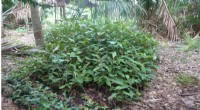
1. Rapid Growth and Spread: Phragmites has a high growth rate, allowing it to quickly colonize and form dense stands. It can grow up to 10 feet tall and produce大量的种子,很容易被风或水传播。
2. Adaptability: Phragmites is highly adaptable to various environmental conditions. It can tolerate a wide range of pH levels, salinity, and nutrient concentrations. This versatility enables it to thrive in different types of wetlands.
3. Tolerance to Disturbance: Phragmites is resilient to disturbances such as flooding, drought, and salinity changes. This tolerance allows it to survive in harsh environments where native species may struggle.
4. Competitive Root System: Phragmites develops an extensive and aggressive root system that forms a dense mat. This root system helps the plant efficiently absorb nutrients and water, giving it a competitive advantage over other plants.
5. Allelopathy: Phragmites produces allelopathic compounds that can inhibit the growth of neighboring plants. These compounds are released into the soil or water, creating an environment that favors the establishment and spread of Phragmites while suppressing the growth of native species.
6. Lack of Natural Predators: In its introduced range, Phragmites often lacks natural predators or herbivores that would control its population. This absence of natural checks allows the invasive grass to proliferate unchecked.
The combination of these factors enables Phragmites to outcompete native plant species, disrupt wetland ecosystems, and reduce biodiversity. It can form dense monocultures that alter habitat structure, impact water flow, and reduce the overall ecological value of wetlands. Managing and controlling the spread of Phragmites is crucial for conserving wetland habitats and maintaining the ecological integrity of these ecosystems.