1. Shifts in Phenology:
- Earlier flowering: Due to warmer spring temperatures, violets are flowering earlier in many regions. This alters the timing of pollination and interactions with other plant and animal species that rely on violets as a food source.
- Extended blooming period: Climate change has led to longer growing seasons, allowing violets to bloom for a more extended period. This phenological shift can affect the synchronization of pollination and seed dispersal with specific pollinators and seed dispersers.
2. Changes in Pollination:
- Pollinator availability: Climate change can disrupt the abundance and activity patterns of pollinators such as bees, butterflies, and moths. Violet species that rely on specific pollinators may experience reduced pollination success if these pollinators are negatively affected by climate change.
- Competition from invasive species: Warming temperatures and altered precipitation patterns favor the spread of invasive plant species. Some invasive species may outcompete violets for pollinators, further reducing the reproductive success of violets.
- Habitat changes: Changes in habitats due to land-use changes, urbanization, and deforestation can fragment violet populations and reduce pollinator access to flowers.
3. Seed Dispersal Alterations:
- Changes in seed dispersal agents: Climate change can influence the distribution and behavior of seed dispersers like ants and birds. If these dispersers are affected, violet seed dispersal can be disrupted, affecting seedling establishment and population dynamics.
- Loss of suitable dispersal habitats: Habitat fragmentation and changes in vegetation can reduce the availability of suitable sites for seed dispersal, leading to reduced violet population growth and spread.
4. Seed Germination and Establishment:
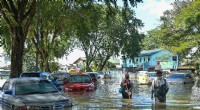
- Extreme weather events: Climate change increases the frequency of extreme weather events such as heatwaves, droughts, and heavy rainfall. These events can damage violet seeds or create unfavorable conditions for germination and seedling survival.
- Changes in soil moisture: Altered precipitation patterns and reduced snowpack can affect soil moisture levels, impacting the germination and establishment of violet seeds.
5. Range Shifts and Adaptation:
- Migration and range expansion: Some violet species may be able to adapt and shift their ranges to more suitable climates. However, this requires successful seed dispersal and establishment in new locations.
- Local adaptation and genetic variation: Genetic diversity within violet populations is crucial for adaptation to changing conditions. Populations with higher genetic diversity may have a better chance of persisting under climate change.
Understanding these impacts of climate change on violet reproduction is essential for developing conservation strategies, managing habitats, and preserving the biodiversity of these plants and the ecosystems they support.