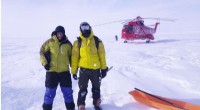
Citizen scientists are playing a role in helping scientists better understand the effects of snowpack decline. The Community Snow Observation program, run by the University of California, Berkeley, trains volunteers to measure snow depth and density at sites across the Sierra Nevada mountains. The data collected by these volunteers is used to validate satellite-based measurements of snowpack and to improve models that predict how snowpack will change in the future.
Citizen scientists can also help monitor how snowmelt is affecting water quality and aquatic ecosystems. For example, the Mountain Water Watch program, run by the Montana Department of Environmental Quality, trains volunteers to collect water samples from streams and lakes in the Rocky Mountains. The data collected by these volunteers is used to track changes in water quality over time and to identify potential threats to aquatic ecosystems.
Climate change is a complex problem, but citizen scientists can help make it easier to understand by collecting data and observations that help scientists better understand the effects of climate change on snowpack and water supplies. This information can help decision-makers make better choices about how to manage water resources and adapt to the challenges posed by climate change.
Citizen science is a valuable tool for helping scientists better understand the effects of climate change on snowpack and water supplies. By collecting data and observations, citizen scientists can help decision-makers make better choices about how to manage water resources and adapt to the challenges posed by climate change.