Floods
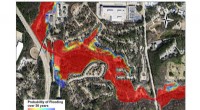
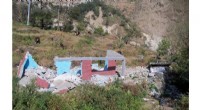
Floods are caused by excessive rainfall, snowmelt, or dam failures. They can cause widespread damage to property, infrastructure, and agriculture. In addition, floods can lead to waterborne diseases, power outages, and displacement of people.
Climate change is causing more extreme rainfall events, which is leading to more frequent and severe floods. In the United States, for example, the National Climate Assessment found that the frequency of heavy precipitation events has increased by 20% since 1958. This trend is expected to continue in the future, with extreme rainfall events becoming more common by the end of the century.
Droughts
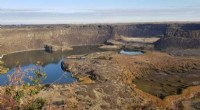
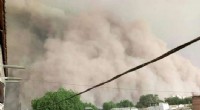
Droughts are caused by a lack of precipitation over an extended period of time. They can cause widespread damage to agriculture, leading to food shortages and economic losses. In addition, droughts can also lead to wildfires, dust storms, and water shortages.
Climate change is causing more prolonged and severe droughts in many parts of the world. In the United States, for example, the National Climate Assessment found that the frequency and duration of droughts has increased since the late 19th century. This trend is expected to continue in the future, with droughts becoming more common and severe by the end of the century.
Challenges to science society
Floods and droughts pose a major challenge to science society globally. These events can cause widespread damage and loss of life, and they can also lead to economic disruptions and social unrest. In order to address these challenges, scientists need to work together to develop new tools and technologies to predict and mitigate the effects of floods and droughts. In addition, scientists need to communicate their findings to the public and policymakers so that they can make informed decisions about how to adapt to climate change.
Some specific ways that floods and droughts are challenging science society globally include:
* Predicting and forecasting floods and droughts. Scientists need to develop new and improved models to predict when and where floods and droughts will occur. This information is essential for planning and preparing for these events.
* Mitigating the effects of floods and droughts. Scientists need to develop new technologies to mitigate the effects of floods and droughts. This could include things like building flood walls, developing drought-resistant crops, and improving water management systems.
* Communicating the risks of floods and droughts. Scientists need to communicate the risks of floods and droughts to the public and policymakers. This information is essential for making informed decisions about how to adapt to climate change.
* Developing adaptation strategies. Scientists need to work with communities to develop adaptation strategies for floods and droughts. These strategies could include things like changing land use practices, improving flood control infrastructure, and developing drought-resistant crops.
Floods and droughts are a major challenge to science society globally, but by working together, scientists can develop the tools and knowledge that we need to adapt to climate change and protect our communities from these devastating events.