For years, California endured a severe drought that tested its water resources, agriculture, and way of life. However, the recent series of atmospheric rivers (ARs) that brought heavy snow and rain to the state marked a potential turning point, raising hopes of an end to the dry spell. This atmospheric phenomenon brought both relief and challenges, prompting questions about its sustainability and long-term implications. Is this the end of the drought, or is it merely a temporary respite?
A Miracle of Abundance:
The arrival of back-to-back atmospheric rivers over California was nothing short of miraculous. These long, narrow columns of moisture transported vast amounts of water vapor from the Pacific Ocean to the state. As they collided with the rugged topography of the Sierra Nevada mountains, the moisture was forced to condense, resulting in heavy precipitation in both snow and rain.
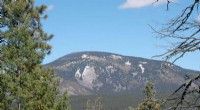
The mountains received their deepest snowfall in decades. The once-barren landscapes transformed into a winter wonderland, with blankets of snow replenishing the mountain snowpack that is vital for providing water during drier periods. Meanwhile, the valleys experienced substantial rainfall, filling reservoirs and rivers that had dwindled to critical levels.
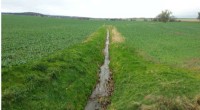
The much-needed rain brought life back to parched landscapes, transforming barren hills into verdant green. Farmers and ranchers, burdened by years of limited water supply, rejoiced at the prospect of abundant water for their crops and livestock. The hope of a bountiful harvest emerged, signaling economic relief for drought-stricken communities.
Challenges and Uncertainties:
While the recent atmospheric rivers have brought immense relief, they also highlighted underlying challenges and uncertainties. The intensity of the rainfall led to flooding in some areas, causing damage and displacement. The sudden transition from drought to heavy precipitation also poses risks to infrastructure, including dam safety and erosion.
Moreover, the question remains whether the end of the drought is truly in sight. Atmospheric rivers are episodic weather patterns, and their frequency and magnitude can be highly variable. While they have brought significant respite, the state needs sustained precipitation over the coming months and years to fully emerge from the drought.
Long-term Solutions and Sustainability:
The atmospheric rivers have demonstrated the power of nature to transform the landscape, but they also underscore the need for long-term strategies for water management and climate resilience. California must continue to invest in infrastructure to capture, store, and distribute water effectively, ensuring equitable access during both wet and dry periods.
Additionally, addressing the impact of climate change is essential to mitigate future droughts. Implementing measures to reduce greenhouse gas emissions and exploring sustainable water practices can help buffer the state from extreme weather events and enhance its long-term resilience.
Conclusion:
The arrival of atmospheric rivers over California brought much-needed relief from years of drought. The state must seize this opportunity to build on this temporary reprieve and work towards long-term solutions. By wisely managing water resources, investing in infrastructure, and addressing the underlying causes of climate change, California can strive to make this miracle a sustainable reality, securing its water future for generations to come.