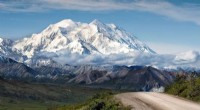
Geographical Features: Climate can shape geographical features, such as deserts, mountains, rainforests, and river systems, which are often reflected in place names. For example, the Sahara Desert, the Himalayas, the Amazon Rainforest, and the Nile River all derive their names from climate-related factors.
Vegetation and Plant Life: Climate affects vegetation and plant distribution. Places known for specific plant species or ecosystems may incorporate these into their names. For example, the Redwood National Park in California is named after the giant redwood trees found in the region.
Weather Patterns: Places can be named based on prevailing weather patterns or climate conditions. For example, Sunshine Coast in Australia, Thunder Bay in Canada, or the Windy City (Chicago) in the United States all refer to specific weather characteristics.
Seasonal Changes: Some places are named based on seasonal variations in climate. For example, Springdale, Arizona, or Winter Haven, Florida, highlight the seasons associated with those areas.
Cultural and Historical Influences: Climate can influence human activities, livelihoods, and cultural practices, which can be reflected in place names. For example, the Inuit people of the Arctic have names for different types of ice and snow due to their cultural significance and practical importance in their environment.
Overall, climate can play a vital role in shaping the names of places, serving as a reflection of geographical features, vegetation, weather patterns, seasonal changes, and cultural influences.