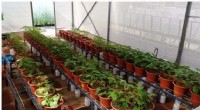
Plastic mulch films, used to control weeds, improve crop yield and reduce water use, are applied by strawberry farmers every growing season. However, there is currently no standardized system to collect and dispose of this waste, leading to increased potential for plastic pollution and potential hazards to plants, animals, and human health.
The research team behind the study, led by Dr. Anja Junk from Wageningen University & Research in the Netherlands, conducted the first comprehensive review of scientific knowledge about the use of plastics in strawberry production and the associated environmental impacts.
“We found that plastic pollution from strawberry farming is widespread, persistent and challenging to mitigate,” said Junk, who led the research.
“Plastic fragments can accumulate in the environment and take hundreds of years to degrade, posing a risk to wildlife and natural ecosystems.”
Key Findings of the Study:
Widespread Plastic Pollution: Plastic pollution caused by strawberry production is found in various environments, including soil, surface water, groundwater, and marine ecosystems.
Pollution Risks: The study highlights several risks associated with plastic pollution, including the entanglement of wildlife and negative impacts on soil quality, plant growth, and water contamination.
Microplastic Formation: Plastic films exposed to sunlight and mechanical wear and tear can break down into microplastics. These tiny particles are difficult to remove and can persist in the environment for long periods.
Lack of Recycling Systems: The absence of efficient and cost-effective recycling systems leaves most strawberry farming plastic as plastic waste. As a result, plastic accumulates in landfills and the environment.
Environmental Legacy: The persistent nature of plastic pollution means it can have long-term effects on environmental quality and ecosystem functioning.
Research Gaps and Future Directions:
Lack of Quantitative Data: The study notes that current knowledge on the environmental impacts of plastic pollution in strawberry farming is limited by a lack of quantitative data.
Need for Standardization: The research team emphasizes the urgent need to develop standardized practices and regulations for the collection, recycling, and disposal of plastic mulch films.
Reducing Plastic Use: Exploring alternatives to plastic mulch, such as biodegradable materials or precision farming techniques, could help mitigate the problem of plastic pollution.
Multidisciplinary Approach: The researchers call for multidisciplinary research involving ecologists, toxicologists, engineers, and policymakers to solve the issue of plastic pollution in strawberry production.
The findings of this study underscore the need for collaborative efforts among policymakers, farmers, and researchers to address the environmental impacts of plastic mulch film use in strawberry farming and develop sustainable practices to reduce plastic pollution.
As strawberries remain a beloved and popular fruit worldwide, it is crucial to ensure that their production does not leave a lasting legacy of plastic waste and pollution for future generations.