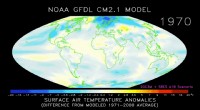
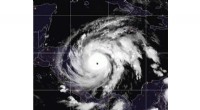
The map is based on data from NOAA's National Centers for Environmental Information (NCEI). NCEI collects and analyzes data on climate change and its impacts. The data used to create the map includes information on past and future climate conditions, as well as the vulnerability of different communities to extreme weather events.
The map shows that climate change is affecting all parts of the United States, but some areas are more vulnerable than others. For example, coastal communities are more vulnerable to hurricanes and floods, while inland communities are more vulnerable to droughts and heat waves.
The map also shows that climate change is projected to have a greater impact on vulnerable communities. For example, low-income communities and communities of color are often located in areas that are more vulnerable to climate change impacts.
The Climate Resilience Toolkit is designed to help communities understand and prepare for the impacts of climate change. The map is one of many resources available on the toolkit website. Other resources include information on how to conduct a climate vulnerability assessment, how to develop a climate adaptation plan, and how to access funding for climate resilience projects.
The Climate Resilience Toolkit is a valuable resource for communities that are concerned about the impacts of climate change. The map and other resources on the toolkit website can help communities understand and prepare for the challenges that climate change poses.