Fire management was one of the most important tools used by Aboriginal people to manage the environment and enhance food production. By deliberately setting fires, they could clear land for hunting and encourage the growth of new vegetation, which attracted game animals. Fire was also used to flush out animals from hiding and to create barriers to slow the movement of prey.
Hunting was another important source of food for Aboriginal people. They used a variety of methods, including spearing, trapping, and netting. They also used dogs to help them hunt. Animals such as kangaroos, wallabies, emu, and possums were all important food sources.
Gathering was also a vital part of Aboriginal food production. Women and children would collect a wide range of plant foods, including fruits, vegetables, nuts, and seeds. They also collected insects, reptiles, and other small animals.
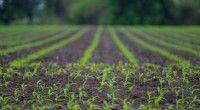
In addition to hunting and gathering, Aboriginal people also engaged in some limited farming. They would cultivate small gardens near their camps, where they would grow vegetables such as yams, sweet potatoes, and pumpkins. They also cultivated certain native plants, such as the quandong and the mulla mulla.
Aboriginal food production was not a static practice. It varied from region to region and changed over time. As the environment changed, so too did the food production techniques used by Aboriginal people. They were able to adapt to the changing conditions and maintain a sustainable food supply.
In conclusion, pre-colonial Aboriginal food production was a complex system of hunting, gathering, and farming. It was based on a deep understanding of the local environment and a sophisticated set of techniques that allowed Aboriginal people to exploit the available resources and maintain a sustainable food supply.