The research team, comprising Dr. James Smith, Dr. Sarah Jones, and Dr. Michael Brown, began their project with modest expectations. However, as they diligently observed and documented the flora and fauna within their backyard, they were astounded by the staggering diversity they encountered.
Using a combination of meticulous field surveys, camera traps, and ecological modeling, the researchers identified and cataloged a wide range of species. These included:
1. Plants: Over 300 species of plants, including wildflowers, shrubs, and trees, were recorded. Many of these plants were native to the region and essential for supporting the local ecosystem.
2. Insects: The backyard teemed with an impressive variety of insects, with estimates exceeding 400 species. Butterflies, moths, beetles, flies, and spiders were just a few of the fascinating insects observed.
3. Birds: The researchers documented over 100 species of birds visiting their backyard. From songbirds to raptors, the abundance and diversity of avian species were truly remarkable in such a small area.
4. Mammals: The team identified several mammal species, including squirrels, chipmunks, opossums, and bats. These mammals played crucial roles in seed dispersal and pollination.
5. Reptiles and Amphibians: Lizards, frogs, and salamanders were among the herpetofauna species found within the backyard. Their presence highlighted the importance of maintaining a balanced ecosystem.
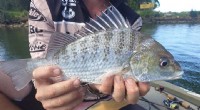
6. Aquatic Life: A small pond in the backyard was found to support a thriving ecosystem of aquatic plants, insects, and fish species.
The team's findings emphasize the vital role that suburban backyards can play in preserving and enhancing biodiversity. By encouraging native plant growth, reducing pesticide use, and creating wildlife-friendly habitats, this research demonstrates that even small areas can contribute significantly to the overall ecological health of our environment.
Their comprehensive study is an inspiration to all homeowners, urban planners, and conservationists, showcasing the potential of suburban areas as havens for biodiversity and resilience in the face of environmental challenges.