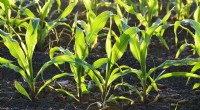
Water harvesting and conservation: The main purpose of the zaï technique is to capture and retain rainwater. During the rainy season, farmers dig shallow pits or holes of about 15 to 25 centimeters deep and 20 to 30 centimeters wide at specific intervals in their fields. These pits act as tiny reservoirs that collect and store rainwater, preventing runoff and allowing the water to infiltrate deeply into the soil. This water reserve sustains the crops during the dry periods.
Improved soil fertility: By capturing and storing rainwater, the zaï technique enhances soil fertility and nutrient retention. The pits are typically filled with organic materials such as manure, compost, crop residues, and other plant matter. This organic matter decomposes and releases essential nutrients into the soil profile. The deeper penetration of water and nutrients promotes root development and enhances the overall health and vigor of the crops.
Erosion control: The zaï technique also aids in erosion control and soil stability. The small pits reduce the impact of runoff during heavy rainfall, preventing the loss of valuable soil and nutrients. The organic matter added to the pits further helps bind the soil particles together, improving soil structure and minimizing erosion.
Weed suppression: The pits created in the zaï technique act as natural barriers that hinder the spread of weeds. The localized concentration of organic matter and moisture within the pits allows crops to establish more quickly, creating a competitive advantage over unwanted plants. This reduces the need for extensive weeding and allows farmers to focus their energy and resources on crop cultivation.
Increased crop yields: The combination of water harvesting, enhanced soil fertility, erosion control, and weed suppression results in improved crop growth and higher yields. Farmers practicing the zaï technique have reported significant increases in crop production, even in challenging dryland environments.
By utilizing the zaï technique, farmers in the Sahel can overcome water scarcity and drought, improve soil fertility, and increase crop yields. It is an effective and sustainable agricultural practice that has been passed down through generations and continues to support food production and livelihoods in the region.