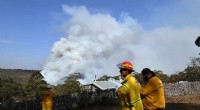
One of the primary ways that dicamba moves off-target is through spray drift. Spray drift occurs when tiny droplets of herbicide are carried away from the target area by wind or other environmental factors. These droplets can travel for long distances, and they can easily come into contact with sensitive plants.
The risk of dicamba drift is influenced by a number of factors, including the weather conditions, the application method, and the type of herbicide formulation used. Hot, windy conditions are more likely to cause spray drift than cool, calm conditions. Aerial applications are more likely to result in spray drift than ground applications. And volatile herbicide formulations are more likely to drift than less volatile formulations.
To minimize the risk of dicamba drift, farmers should take the following precautions:
* Choose the right herbicide formulation. There are a number of different dicamba formulations available, each with its own volatility. Farmers should select a formulation that is less volatile to reduce the risk of drift.
* Use the right application method. Applying dicamba with a ground sprayer is less likely to result in drift than aerial applications.
* Apply dicamba at the right time. Dicamba should be applied when the weather conditions are favorable. Avoid applying dicamba on hot, windy days.
* Use buffers. Leaving a buffer zone between treated fields and sensitive crops can help to reduce the risk of drift.
By taking these precautions, farmers can help to minimize the risk of dicamba drift and protect sensitive crops.