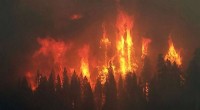
1. Rising temperatures: As global temperatures rise due to increased greenhouse gas emissions, the air becomes warmer and drier, creating ideal conditions for wildfires. Higher temperatures also lead to earlier snowmelt, which means less water is available to vegetation and soils during the summer months, further increasing the risk of wildfires.
2. Changes in precipitation patterns: Climate change is altering precipitation patterns, resulting in more frequent and severe droughts. Droughts stress vegetation, making it more susceptible to burning. Additionally, changes in precipitation can lead to shifts in plant species composition, with more fire-prone species becoming dominant, further increasing the risk of wildfires.
3. Stronger winds: Climate change is leading to an increase in the frequency and intensity of extreme weather events, including strong winds. High winds can fan the flames of wildfires, causing them to spread more rapidly and making it more difficult for firefighters to control them.
4. Changes in vegetation: Rising temperatures and changes in precipitation patterns can alter vegetation composition and growth patterns. Some areas may experience an increase in the growth of flammable vegetation, such as grasses and shrubs, while others may experience a decline in the growth of fire-resistant vegetation, such as trees. These changes can significantly influence the risk of wildfires.
5. Land-use changes: Human activities such as deforestation, land conversion for agriculture, and urbanization can alter the landscape and increase the risk of wildfires. Deforestation removes trees that would otherwise act as barriers to the spread of fire, while land conversion can introduce flammable materials such as dry grass and crops into areas that were previously less fire-prone. Urbanization can also increase the risk of wildfires by creating ignition sources, such as discarded cigarettes or sparks from power lines.
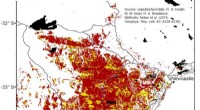
The combination of these factors makes areas like Chile more vulnerable to wildfires. To address this issue, it is crucial to take action to mitigate climate change by reducing greenhouse gas emissions and implementing adaptation strategies, such as improved forest management, fire prevention measures, and community preparedness plans.