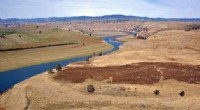
Over 65,000 years ago, the first Indigenous Australians arrived on the Australian continent via land bridges that connected the Australian continent to Southeast Asia and New Guinea during intermittent periods of lower sea levels. These crossings most probably occurred when sea levels were approximately 100 meters lower than their present levels, exposing broad coastal plains. Some of the key factors and impacts that shaped the early migration patterns of the First Peoples into Australia include:
1. Changing Sea Levels and the Coastal Route: As sea levels fluctuated, the land bridges allowed for the movement of people, plants, and animals between Asia and Australia. Archaeological evidence suggests that the early settlers arrived in northern Australia and gradually moved south along the coastline, following the rich coastal resources and the relatively mild climate.
2. Adaptation to Diverse Environments: The First Peoples had to adapt to a wide range of environments, including lush rainforests, arid deserts, and coastal regions. Their migration patterns were influenced by the availability of resources, such as water, food, and shelter, as well as the presence of favorable hunting and gathering grounds.
3. Climate Changes: Australia has experienced significant climatic changes throughout history. The onset of the last glacial maximum around 21,000 years ago led to the expansion of arid regions and the formation of vast deserts in central and Western Australia. These changes compelled the First Peoples to modify their migration patterns and adapt to the changing conditions.
4. Technological Advancements: The First Peoples developed and refined their technologies over time, including the invention of tools and weapons, the use of fire for land management and hunting, and the development of watercraft for coastal exploration. These technological advancements facilitated their movement across different landscapes and the exploitation of various resources.
5. Social and Cultural Exchange: As different Indigenous groups encountered each other during their migrations, they engaged in social and cultural exchanges. This resulted in the sharing of knowledge, technologies, and traditions, further influencing the diverse cultural practices and identities of the First Peoples across Australia.
Understanding the evolving landscapes and the dynamic responses of the First Peoples during their early migrations provides valuable insights into the resilience, adaptability, and deep connection to the Australian environment that characterized the Indigenous Australians' settlement and occupation of the continent over millennia.