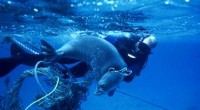
Salmon is a nutritious and delicious fish, but unsustainable fishing practices are threatening the health of our oceans, as well as the salmon populations themselves. Farmed salmon is often produced in crowded and unsanitary conditions, which can lead to disease and poor welfare for the fish. In addition, the feed used to raise farmed salmon can contain high levels of pollutants, which can contaminate the fish and the environment.
Navigating eco-labels
When choosing sustainable salmon, it's important to look for eco-labels that certify the fish has been responsibly sourced. Some of the most common eco-labels for salmon include:
* Marine Stewardship Council (MSC): The MSC is a non-profit organization that sets standards for sustainable fishing practices. Salmon with the MSC label has been certified to meet these standards.
* Best Aquaculture Practices (BAP): The BAP is a set of standards for responsible aquaculture practices. Salmon with the BAP label has been certified to meet these standards.
* Aquaculture Stewardship Council (ASC): The ASC is a non-profit organization that sets standards for responsible aquaculture practices. Salmon with the ASC label has been certified to meet these standards.
Know the origin
Another way to ensure you are buying sustainable salmon is to know where the fish comes from. Salmon from the Pacific Northwest is generally considered to be more sustainable than salmon from other regions, as the fisheries in this region are well-managed and have strong conservation measures in place.
Buy wild-caught salmon whenever possible
Wild-caught salmon is generally considered to be more sustainable than farmed salmon, as it is not produced under the same crowded and unsanitary conditions. However, wild-caught salmon can be more expensive than farmed salmon.
Reduce your consumption
One of the best ways to support sustainable salmon populations is to reduce your consumption of salmon. By eating salmon less often, you can help to reduce the demand for this fish and encourage more sustainable fishing practices.