In the context of climate change and its impact on agricultural production, food security in dry regions remains a persistent challenge. Smallholder farmers in arid regions like parts of South Africa are particularly vulnerable, often with limited resources and access to cutting-edge technology. However, a blend of traditional wisdom and modern methods has proven highly effective in addressing these challenges and fostering significant maize harvest in South Africa's dry regions.
1. Embracing Traditional Knowledge:
- Intercropping: Drawing from traditional practice, farmers intercrop maize with drought-resistant Crops like pigeon peas and cowpeas. This enhances soil fertility, conserves moisture, and offers complementary nutrition.
- Indigenous Seeds: Local and heirloom maize varieties known for their drought tolerance are widely adopted to safeguard yields during seasons with limited rainfall.
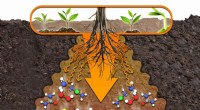
- Organic Fertilizers: By using organic materials like compost and manure, farmers improve soil structure, water retention, and beneficial microbial activity in the dry soil.
2. Introducing Modern Agronomy:
- Water Conservation: Improved irrigation methods, including drip irrigation systems, ensure efficient and targeted distribution of water to maize plants.
- Drought-Resistant Varieties: Farmers have embraced genetically modified (GM) drought-tolerant maize varieties developed through modern biotechnology. These hybrids show an impressive potential to yield even in extremely water-scarce conditions.
- Disease and Pest Management: Integrated pest management (IPM) techniques reduce vulnerability to various diseases and pests. This includes natural pest control agents like insect traps and using disease-resistant maize varieties.
3. Farmer training and empowerment:
- Education program: Local extension and agriculture experts provide essential training in modern and sustainable farming practices, empowering farmers to manage dry conditions effectively.
- Field Demonstrations: On-field demonstrations allow farmers to directly observe the improved techniques' impacts and gain practical experience.
- Collaborative Platforms: Farmers connect through agricultural cooperatives and virtual platforms where they share their knowledge and access expert advice for better decision-making.
- Financial Support: Microfinancing initiatives enable farmers to acquire necessary inputs like improved seeds and sustainable harvesting equipment.
By blending traditional wisdom with modern agronomy practices, farmers in arid regions of South Africa have not only improved their maize yields but also secured more resilient and economically sustainable agricultural systems. This successful approach stands as evidence that the intersection of ancient practices and contemporary advances can transform even the harshest conditions into fruitful landscapes.