During the PETM, the rise in carbon dioxide levels led to a significant increase in global temperatures, causing a shift in climate patterns and widespread changes in plant habitats. This posed challenges for existing plant species, requiring them to develop adaptations or face potential extinction. Fossils from the PETM reveal a remarkable radiation of angiosperms, also known as flowering plants. These plants, characterized by their enclosed seeds, diversified rapidly and became the dominant plant group on Earth. The environmental changes during this time likely favored angiosperms' adaptability, as their reproductive strategy provided advantages in a changing ecosystem.
One significant aspect of angiosperm evolution during the PETM was the emergence of C4 photosynthesis. This efficient carbon-fixing mechanism allowed plants to photosynthesize in environments with higher temperatures and lower carbon dioxide concentrations. C4 plants are able to concentrate carbon dioxide around the site of photosynthesis, thus increasing their photosynthetic efficiency and productivity. The shift towards C4 photosynthesis among certain angiosperm lineages provided a competitive advantage and contributed to their dominance in the post-PETM world.
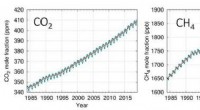
In addition to influencing plant evolution, the PETM also had broader implications for climate regulation. The massive release of carbon dioxide during volcanic eruptions resulted in increased amounts of greenhouse gases in the atmosphere. This led to a rise in global temperatures, resulting in shifts in climate zones and changes in ocean circulation patterns. The geological and geochemical records from the PETM have helped scientists better understand Earth's past climate dynamics and the potential effects of rapid carbon dioxide increases on modern ecosystems.
Moreover, the PETM highlights the intricate relationships between the Earth's systems and provides insights into long-term ecological changes. By studying ancient volcanic events and their impact on plant life, researchers gain valuable information for predicting and managing potential environmental challenges associated with human-induced climate change. Understanding the ecological responses to past climate fluctuations aids in developing strategies for mitigating the impacts of future global warming and ensuring the preservation of biodiversity in the face of changing climatic conditions.