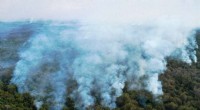
Climate change is a major threat to the world, and its effects are already being felt by children around the globe. From extreme weather events to rising sea levels, climate change is disrupting education and making it difficult for children to learn.
Here are some of the ways that climate change is already affecting children's education:
- Extreme weather events such as hurricanes, floods, and droughts can damage schools and make it difficult for children to get to school. In some cases, schools may be closed for days or even weeks, which can disrupt students' learning.
- Rising sea levels can threaten coastal communities and force families to relocate. This can uproot children from their homes and schools and make it difficult for them to continue their education.
- Changes in weather patterns can make it difficult for farmers to grow crops, which can lead to food shortages. This can in turn make it difficult for children to get the nutrition they need to learn and grow.
- Climate change is also leading to increased mental health problems such as anxiety and depression. This can make it difficult for children to concentrate in school and can also lead to them dropping out.
In short, climate change is already having a significant impact on children's education. If we do not take action to address climate change, the consequences for future generations will be devastating.
What Can Be Done to Address the Impact of Climate Change on Education?
There are a number of things that can be done to address the impact of climate change on education. These include:
- Building more resilient schools. Schools should be built to withstand extreme weather events such as hurricanes and floods. They should also be located in areas that are not at risk of rising sea levels.
- Providing funding for schools that have been affected by climate change. Schools that have been damaged by extreme weather events or forced to relocate due to rising sea levels need financial assistance to rebuild and reopen.
- Developing new educational materials that address climate change. Students need to learn about climate change and its impacts so that they can make informed decisions about how to protect the environment.
- Supporting mental health services for students. Climate change can lead to increased mental health problems in children. Schools need to provide mental health services to help students cope with these challenges.
By taking these steps, we can help to ensure that children have the opportunity to learn and grow, even in the face of climate change.