1. Pacific Northwest:
- Temperate rainforests in the Pacific Northwest, such as those found in Washington and Oregon, are highly efficient at carbon sequestration due to their dense vegetation, abundant rainfall, and favorable climatic conditions. These forests have the potential to continue being significant carbon sinks in the future.
2. Northern Hardwood and Boreal Forests:
- Northern hardwood and boreal forests located in the northeastern and upper Midwest regions, including states like Michigan, Wisconsin, and Maine, are also efficient at carbon sequestration. These forests have a high biomass and relatively slower decomposition rates, allowing them to store carbon effectively.
3. Southern Pine Forests:
- Southern pine forests in the southeastern United States, such as those found in Georgia and Florida, can be effective carbon sinks, especially when managed sustainably. However, these forests may be more vulnerable to disturbances like wildfires and insect infestations, which could affect their long-term carbon storage capacity.
4. Temperate Deciduous Forests:
- Temperate deciduous forests, found in regions like the eastern United States, have a moderate capacity for carbon sequestration. These forests experience seasonal changes, and carbon uptake varies throughout the year. Sustainable management practices can help enhance their carbon storage potential.
5. Arid and Semi-Arid Forests:
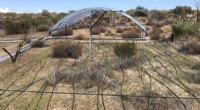
- Arid and semi-arid forests, such as those found in the southwestern United States, have limited carbon sequestration potential due to water scarcity and other environmental stressors. However, reforestation efforts and improved water management can help increase carbon uptake in these regions.
6. Western Montane Forests:
- Western montane forests, located in the mountainous regions of the western United States, including the Sierra Nevada and Rocky Mountains, play a vital role in carbon sequestration. These forests are diverse and have the potential to continue being significant carbon sinks under changing climate conditions.
It's important to note that the carbon sequestration potential of forests can be influenced by various factors such as climate change, land use changes, forest disturbances, and management practices. Sustainable forest management practices, conservation efforts, and reforestation initiatives can help maintain and enhance the carbon sequestration capacity of forests across the United States.