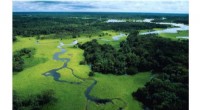
- Habitat Suitability: The tarantula's habitat preferences and resilience to changing conditions will play a crucial role. If its preferred habitat is significantly impacted by climate change, such as temperature shifts, altered precipitation patterns, or loss of vegetation, the species may face difficulties in survival and reproduction.
- Migration and Adaptation: Some species possess the ability to migrate or adapt to new environments. If the newly discovered tarantula can relocate to more suitable areas or evolve adaptations that enable it to tolerate a changing climate, it may improve its chances of survival.
- Population Dynamics: The size, structure, and genetic diversity of the tarantula population can influence its vulnerability to environmental changes. A robust population with high genetic variation may be more resilient than a small, genetically homogenous population.
- Interconnected Species: The tarantula's interactions with other organisms, such as prey, predators, and competitors, can be affected by climate change. Shifts in these relationships could have cascading impacts on the tarantula's survival.
- Conservation Efforts: Human intervention through conservation measures, habitat protection, and management interventions can play a significant role in safeguarding the species from climate-related threats.
Therefore, the potential impact of climate change on the newly discovered tarantula species depends on various factors related to its biology, habitat preferences, and the specific consequences of climate change in the region where it is found. Without detailed studies and long-term monitoring of the species and its environment, making definitive predictions about its extinction risk solely due to climate change remains challenging.