1. Ignition:
- Wildfires require three elements to start: fuel, oxygen, and an ignition source.
- Natural ignition sources include lightning strikes, volcanic eruptions, and spontaneous combustion of dry vegetation.
- Human-caused ignitions can result from campfires, discarded cigarettes, power line malfunctions, arson, or equipment sparks.
2. Fuel:
- Wildfires need flammable materials to burn, which serve as fuel.
- Fuels include dried leaves, twigs, branches, fallen trees, dead plants, shrubs, and accumulated debris on the forest floor.
- The amount and type of fuel available significantly influence the intensity and spread of a wildfire.
3. Oxygen:
- Oxygen is essential for combustion, and wildfires require a continuous supply of oxygen to sustain burning.
- Wind plays a crucial role in wildfires by providing oxygen and spreading flames rapidly.
4. Fire Behavior:
- Fire behavior refers to how a wildfire spreads and burns.
- Factors affecting fire behavior include fuel load, moisture content, topography, weather conditions (temperature, humidity, wind speed and direction), and the type of vegetation present.
- Wildfires can move as a continuous front or in spot fires, which are separate ignitions caused by burning embers carried by wind.
5. Fire Spread:
- Wildfires spread primarily through two mechanisms: conduction and convection.
- Conduction occurs when heat from burning fuel transfers to nearby flammable materials, causing them to ignite.
- Convection involves the upward movement of hot gases and smoke, creating updrafts that can carry burning embers and spread the fire over long distances.
6. Fire Suppression:
- Wildfire suppression involves various strategies to extinguish or control a wildfire.
- Methods include the use of water, aerial retardants, firebreaks, and hand tools.
- Firefighters work to create containment lines by removing or suppressing fuels along the fire's edge to limit its spread.
7. Ecological Impacts:
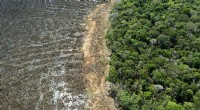
- Wildfires can have profound ecological impacts on ecosystems.
- They can lead to loss of habitat, biodiversity reduction, soil erosion, increased sedimentation in water bodies, and alteration of natural ecosystem dynamics.
- Depending on the severity and frequency of wildfires, ecosystems may exhibit varying degrees of resilience and recovery over time.
8. Human Impacts:
- Wildfires pose significant risks to human communities located near forested areas.
- Direct impacts include loss of life, property damage, infrastructure destruction, and smoke-related health issues.
- Indirect impacts can include environmental degradation, economic losses, disruption of services, and psychological trauma.
By understanding the dynamics and patterns of wildfires, communities can implement preventive measures such as land use planning, fuel reduction, building codes, and public education to mitigate the devastating effects of these natural disasters.