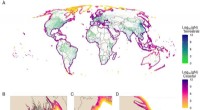
Mangrove forests are extremely efficient at absorbing and storing carbon dioxide from the atmosphere. In fact, they can store up to four times more carbon per unit area than other types of forests. This makes them a valuable tool in the fight against climate change, as they can help to reduce greenhouse gas emissions.
2. Coastal Protection
Mangrove forests act as a natural barrier against storms, hurricanes, and other coastal hazards. Their dense root systems help to hold the soil in place and reduce erosion, while their leaves and branches can help to break up waves and dissipate their energy. This can help to protect coastal communities from flooding and other damage.
3. Biodiversity
Mangrove forests are home to a wide variety of plant and animal species. These include fish, shellfish, birds, reptiles, amphibians, and mammals. Mangroves provide food, shelter, and breeding grounds for many of these species, making them essential to the health of coastal ecosystems.
4. Water Filtration
Mangrove forests help to filter pollutants from the water, including sediment, nutrients, and heavy metals. This can help to improve the quality of water in coastal areas and protect marine ecosystems.
5. Economic Benefits
Mangrove forests can also provide economic benefits to local communities. They can be used for fishing, aquaculture, and ecotourism. They can also provide fuelwood, timber, and other construction materials.
Overall, mangrove forests are extremely important ecosystems that provide a wide range of benefits to both people and the environment. It is essential that we protect these forests and ensure that they continue to thrive in the years to come.