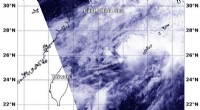
1. Climate Change: The Earth's climate is likely to continue changing in the coming millennia, with rising global temperatures due to human activities. The effects could include more frequent extreme weather events, sea-level rise, and shifts in ecosystems. Some coastal cities may be partially submerged, altering landscapes and displacing populations.
2. Desertification: Increased temperatures and changes in precipitation patterns could lead to desertification in some regions, expanding existing arid and semi-arid zones.
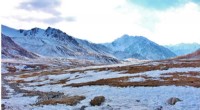
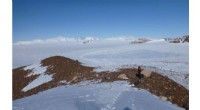
3. Glacier Retreat: Many glaciers around the world are already melting due to climate change. If the current trends continue, glaciers may further recede or even disappear in many areas, affecting water resources and ecosystems.
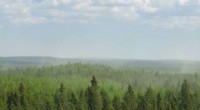
4. Shifting Ecosystems: Global climate change is expected to cause significant shifts in ecosystems. Some species may become extinct due to changing conditions, while others may adapt and thrive in the new environment.
5. Urbanization and Population Growth: Urbanization is likely to continue, with megacities expanding and new cities emerging. Population growth could put strain on resources such as water, food, and energy.
6. Technological Advancements: Technological innovations may shape how humans interact with the planet. Renewable energy sources, advances in agriculture, and improved environmental management practices could positively impact the Earth's environment.
7. Space Exploration and Resources: If space exploration becomes more accessible, humans may seek resources from other celestial bodies, potentially reducing the pressure on Earth's resources.
It's important to note that these predictions are based on current scientific knowledge and assumptions, and the actual state of Earth in 5,000 years could differ significantly depending on various factors, including human actions, technological developments, and unforeseen natural events.