Climate change
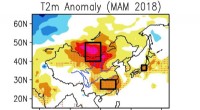
The Mayan civilization thrived during a period of relatively stable climate conditions. However, around the 8th century AD, the climate in the Maya region began to change. The region experienced a prolonged drought, which caused widespread crop failures and famine. This led to conflict and population decline, which further contributed to the collapse of the Maya civilization.
Overpopulation
The Mayan population grew rapidly during the Classic period. This put a strain on the region's resources, including water, food, and timber. The Maya were also faced with increasing competition from other civilizations in the region, such as the Teotihuacan and Toltec civilizations.
Deforestation
The Maya cleared large areas of forest in order to make room for agriculture and settlements. This deforestation led to soil erosion, which further reduced the productivity of the land. The loss of trees also made the region more susceptible to drought.
Warfare
The Classic period was a time of intense warfare between Mayan city-states. This warfare was often caused by competition for resources, such as land and water. Warfare also led to the destruction of many Mayan cities and the displacement of their inhabitants.
The collapse of the Mayan civilization was a complex event that was caused by a variety of factors. Climate change was one of these factors, but it was not the only one. The Maya civilization was also faced with challenges from overpopulation, deforestation, and warfare. These challenges eventually led to the collapse of the Maya civilization, but the civilization's legacy continues to live on.