* Definition: A category 3 hurricane is characterized by maximum sustained winds between 111-129 mph. It is considered a major hurricane on the Saffir-Simpson Hurricane Scale.
* Devastating Winds: Category 3 hurricanes generate extremely destructive winds that can cause significant damage to structures. Homes and buildings may experience roof and exterior wall failures, making them unsafe to inhabit.
* Power Outages: Downed power lines and damaged electrical infrastructure can result in prolonged power outages, leaving entire regions without electricity for days or even weeks.
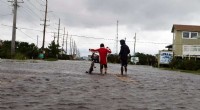
* Flooding: These hurricanes often bring torrential rainfall, leading to extensive flooding. Coastlines experience storm surges, causing major flooding in coastal communities, and inland areas can also face freshwater flooding from overflowing rivers and streams.
* Property Damage: Category 3 hurricanes inflict substantial damage to property, including residential and commercial buildings. The powerful winds can shatter windows, and structures can be compromised, leading to potential collapse.
* Infrastructure Disruptions: Critical infrastructure, such as bridges, roads, telecommunications, and water treatment facilities, can be severely affected, hindering communication and access to essential services.
* Evacuations: In response to a category 3 hurricane threat, mandatory evacuations are ordered in high-risk areas to ensure public safety. Heeding evacuation orders is essential to avoid potential danger.
* Recovery and Cleanup: Recovering from a category 3 hurricane can take months or years. Extensive cleanup efforts involve clearing debris, repairing infrastructure, and rebuilding damaged communities.
To mitigate the impacts of category 3 hurricanes, proactive planning is essential. This includes:
* Preparation: Individuals and communities should establish hurricane plans, including evacuation routes, emergency shelter information, and a well-stocked disaster supply kit.
* Strengthening Infrastructure: Building codes should be updated to ensure structures can withstand hurricane-force winds.
* Flood Control Measures: Implementing flood control systems, such as levees, dams, and canals, can help reduce flooding risks.
* Education and Awareness: Educating the public about hurricane preparedness and safety measures helps communities make informed decisions when facing these powerful storms.
Category 3 hurricanes are a force of nature that can have profound and long-lasting impacts on affected regions. By understanding their potential effects and taking proactive measures, communities can enhance their resilience and better withstand these destructive events.