Ecosystems consist of the animals, plants and the environmental conditions of an area. Wetlands, mangroves, rainforests and coral reefs are examples of ecosystems. Ecosystems maintain a very delicate balance. Various human activities threaten to disrupt this balance and destroy the world's ecosystems.
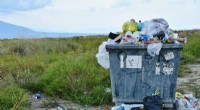
Pollution is one of the main causes of ecosystem destruction. Pollution can deplete resources and drive away local animal populations. Significant sources of pollution include trash, carbon emissions, oil spills and pesticides.
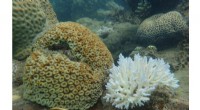
Climate change continues to play a significant role in the destruction of the ecosystem. Global warming has led to increased temperatures, sea levels and ocean acidity that disrupt an ecosystem's natural balance.
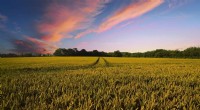
As human populations increase, so does the need to develop more land. Many ecosystems are destroyed in order to clear land for housing developments and roads, agricultural uses and raising livestock.
Many ecosystems are rich in natural resources like nutrient-rich soil, water, trees and fossil fuels. Excessive efforts to extract these resources like mining, logging and oil drilling contribute to ecosystem destruction.
An ecosystem's animals are vital sources of food and population control. Many animal populations are declining due to overfishing and hunting. Animals are often hunted for their valuable skins, plumage, horns and meat.