By Giselle Diamond | Updated Mar 24, 2022
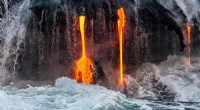
Volcanoes are geological vents that release magma—molten rock, gases, and crystals—into the atmosphere. When magma reaches the surface, it becomes lava, which can flow peacefully or erupt explosively, posing significant hazards to life and infrastructure.
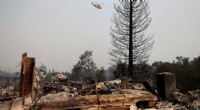
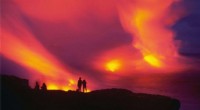
Volcanic eruptions vary from effusive, low‑energy lava flows to violent, ash‑laden blasts that can block sunlight for years. Scientists classify these events to assess their impact and anticipate future activity.
The VEI, developed by the Smithsonian Institution, is a logarithmic scale that rates eruptions from 0 to 8. Each increment represents a tenfold increase in the volume of ejected material, measured as Dense‑Rock Equivalent (DRE). The scale also considers plume height and the amount of ash and gas released.
Scientists are currently exploring an alternative metric that captures eruption intensity rather than volume, but the VEI remains the standard for historical and real‑time analysis.