By Chrystal Doucette | Updated March 24, 2022
jamesdvdsn/iStock/GettyImages
The Earth's surface is in a constant state of flux, shaped by natural forces and human activity. Over geological timescales, precipitation, wind, tectonic motion, and volcanic activity continuously reshape continents and coastlines.
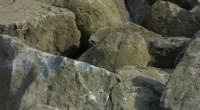
Erosion is the gradual breakdown of landforms through the action of wind, water, and gravity. A boulder can be weathered into sand after years of wave and particle impact, while rain can wear a mountain down into a gentle hill. Rivers and ocean waves carve cliffs, and the sediment they transport can settle elsewhere to create new wetlands at river mouths.
Volcanoes inject molten rock onto the surface through fissures in the Earth's crust. As lava cools, it builds new landmasses, forming shield volcanoes that spread basaltic lava over wide areas and stratovolcanoes that create towering peaks. Cinder cones are smaller, steep-sided vents that also reshape the landscape.
Earthquakes result from the movement of tectonic plates—sliding, grinding, or colliding against one another. As reported by the USGS, the resulting seismic waves can cause rapid ground shaking, faulting, landslides, rifts, and even tsunamis. These forces can dramatically alter topography and damage infrastructure.
Anthropogenic activities also remodel the planet. Construction, dredging, dam building, and river diversion alter natural drainage patterns and sediment transport. Impermeable surfaces reduce infiltration, increasing runoff and accelerating erosion. By reshaping waterways and land cover, humans can create new islands, flood plains, or protect existing coastlines.