Goodshoot/Goodshoot/Getty Images
Planetary geologists unlock the secrets of the solar system by studying the surfaces and interiors of other planets. The discipline spans a wide array of subfields and techniques, each contributing essential insights into planetary evolution.
The primary employers for planetary geologists are universities and government agencies, with a growing presence in private research organizations. In academia, careers typically involve teaching or conducting independent research, both of which require a Ph.D. in geology, geophysics, or a related discipline such as physics, astronomy, engineering, or chemistry. Undergraduate students with relevant majors can gain experience through internships, while those holding master’s degrees often serve as technicians, performing specialized tasks under the guidance of senior scientists.
Remote sensing is a hallmark activity in planetary geology, enabling scientists to gather data from extraterrestrial locations using advanced instrumentation. The Mars rover Curiosity, for example, demonstrates this capability by collecting information on mineralogy, chemistry, atmospheric conditions, and more. Key tools include:
Telescopes also serve as critical remote‑sensing platforms, with planetary scientists from various specialties collaborating to design and refine these complex instruments.
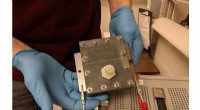
Planetary geologists replicate planetary processes in controlled lab settings—whether simulating surface weathering, atmospheric chemistry, or interior dynamics. These experiments demand a solid foundation in physics, chemistry, engineering, and geosciences, as well as specialized training in materials characterization techniques. Technicians with master’s degrees or doctoral training, along with undergraduates in internships, often support principal investigators and graduate students in executing these experiments.
Data gathered through remote sensing and laboratory work feed into computational models that simulate planetary formation and evolution. Successful modelers blend advanced mathematics, physics, and programming skills to produce simulations that guide experimental design and inform instrument development. Moreover, these models play a pivotal role in communicating planetary science to the public, fostering interest and securing support for future missions.