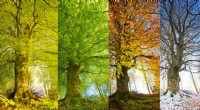
* Trees: Dominated by hardwood species such as oak, hickory, maple, and beech.
* Understory: A variety of shrubs, ferns, and wildflowers provided habitat for various animals.
* Wildlife: The area was home to numerous species, including deer, bear, turkey, squirrel, and a variety of songbirds.
* Waterways: The region contained several streams and rivers, providing a water source for the forest and its inhabitants.
Specific Characteristics of the Copper Basin's Ecosystem:
* Elevation: The Copper Basin's relatively high elevation (around 2,000 feet) influenced the types of plants and animals present.
* Soil: The soil was typically well-drained and supported a rich variety of plant life.
* Climate: The area received ample rainfall and experienced a temperate climate with distinct seasons.
Impact of Mining on the Ecosystem:
The large-scale copper mining that began in the late 19th century had a devastating impact on the Copper Basin's ecosystem. Mining activities:
* Deforestation: Removed vast amounts of trees, leaving the area barren and vulnerable to erosion.
* Pollution: Released toxic chemicals into the air, water, and soil, poisoning the environment and killing off much of the plant and animal life.
* Erosion: The removal of vegetation and the alteration of the landscape led to widespread erosion, filling waterways with sediment and damaging the natural drainage system.
The Copper Basin today is a stark reminder of the lasting damage that mining can inflict on an ecosystem. While some recovery efforts have been made, the area is still far from its pre-mining state.