1. Plate Tectonics:
* Divergent Plate Boundaries: Where plates move apart (like the Mid-Atlantic Ridge), magma rises from the asthenosphere (the upper layer of the mantle) to fill the gap. This magma often erupts as basaltic lava, creating new crust and underwater volcanic mountain ranges.
* Convergent Plate Boundaries: When plates collide, one plate may subduct (slide) beneath the other. As the subducting plate sinks deeper, it melts due to the increased pressure and temperature. This molten rock rises to the surface, often producing explosive volcanoes with andesitic or rhyolitic lava.
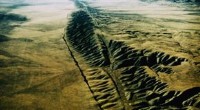
* Transform Plate Boundaries: While less common, transform boundaries (where plates slide past each other) can also contribute to volcanism. Friction and stress along these boundaries can cause localized melting and magma generation.
2. Hotspots:
* Mantle Plumes: Hot, buoyant plumes of magma rise from deep within the mantle, creating volcanic centers that often pierce through tectonic plates. These hotspots can be found both on land (like the Hawaiian islands) and in the ocean. The volcanic activity remains stationary, while the plate moves, resulting in a chain of volcanoes.
3. Other Factors:
* Crustal Extension: Stretching and thinning of the Earth's crust can cause magma to rise and create volcanic activity.
* Impact Events: Large meteorite impacts can generate enough heat and pressure to melt rock and create volcanic eruptions.
* Tectonic Uplift: Mountain building processes associated with plate collisions can lead to volcanic activity.
In summary, volcanicity is a result of the dynamic processes within the Earth, primarily driven by plate tectonics and the movement of magma from the mantle to the surface.