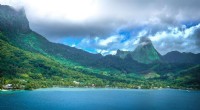
1. Elevation and Temperature:
* Decreasing Temperatures: As altitude increases, temperatures decrease, leading to a vertical zonation of biomes. This means different biomes can occur at different elevations on the same mountain.
* Examples:
* Lower elevations: Temperate forests or grasslands.
* Mid-elevations: Coniferous forests (like the taiga).
* Higher elevations: Alpine meadows or tundra.
2. Precipitation and Wind Patterns:
* Orographic Lift: When moist air masses encounter mountains, they are forced to rise. This cooling effect condenses the air, leading to increased precipitation on the windward side of the mountain.
* Rain Shadow Effect: The air on the leeward side of the mountain is dry and warm, creating a "rain shadow" region with lower precipitation.
* Examples:
* Windward side: Lush forests or grasslands.
* Leeward side: Arid deserts or semi-deserts.
3. Microclimates:
* Mountain Slopes: Different aspects of a mountain (north vs. south facing slopes) can create distinct microclimates due to variations in solar radiation.
* Examples:
* South-facing slopes: Warmer and drier, often supporting different plant communities than the north-facing slopes.
* North-facing slopes: Cooler and moister, often supporting different plant communities than the south-facing slopes.
4. Soil and Vegetation:
* Soil Formation: The steep slopes and cold temperatures in mountainous regions can lead to the formation of unique soils, influencing the types of plants that can grow there.
* Vegetation Patterns: The combination of altitude, precipitation, and soil conditions creates distinct vegetation patterns.
* Examples:
* High-altitude meadows: Often dominated by grasses and low-growing shrubs.
* Coniferous forests: Adapted to colder temperatures and often dominated by evergreen trees.
5. Isolation and Biodiversity:
* Refugia: Mountains can act as refugia for species during periods of climate change, preserving genetic diversity.
* Endemic Species: The isolation of mountain ranges can lead to the evolution of unique species found nowhere else.
In summary, mountains act as major determinants of biome distribution by creating distinct climatic zones, affecting precipitation patterns, influencing soil characteristics, and fostering unique ecological conditions that support specific plant and animal communities.