1. Subduction:
* Oceanic lithosphere (denser) dives beneath continental lithosphere (less dense) at a convergent plate boundary.
* As the oceanic plate subducts, it melts due to friction and the increasing temperature and pressure.
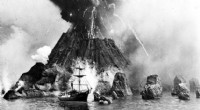
* This melt rises to the surface, creating volcanoes on the overriding continental plate.
2. Volcanic Arc Formation:
* The rising magma from the subducting plate forms a volcanic arc parallel to the trench.
* These volcanoes are often explosive due to the high water content of the subducting plate, which makes the magma more viscous.
* Over time, the volcanic arc grows and contributes to the formation of a mountainous region.
3. Accretion and Crustal Thickening:
* As the subduction process continues, the volcanic arc may accrete onto the continental margin.
* This process adds new material to the continental crust, thickening it and increasing the height of the mountains.
* The weight of the thickened crust can lead to isostatic uplift, further contributing to mountain building.
4. Folding and Faulting:
* The compressional forces associated with subduction can cause folding and faulting in the continental crust.
* These processes contribute to the formation of complex mountain ranges with folds, thrust faults, and other structural features.
5. Erosion and Weathering:
* Over millions of years, erosion and weathering processes shape the mountains.
* Rivers, glaciers, wind, and rain carve out valleys, canyons, and other features, influencing the final landscape of the arc.
Examples of Arc Continent Mountain Formation:
* Andes Mountains (South America): Formed by the subduction of the Nazca Plate beneath the South American Plate.
* Cascade Range (North America): Formed by the subduction of the Juan de Fuca Plate beneath the North American Plate.
* Himalayan Mountains (Asia): Although not strictly an arc continent formation, the Himalayas were formed by the collision of the Indian and Eurasian plates, a process similar to subduction.
Important Considerations:
* The specifics of arc continent mountain formation vary depending on the nature of the subducting plate, the angle of subduction, and other factors.
* The process can be quite long, spanning millions of years.
By understanding these key steps, we can better grasp the complex processes that shape the Earth's surface and create the majestic mountain ranges we see today.