1. Providing a Vast Timescale for Evolution:
* Immense Duration: The Earth is billions of years old. This vast timescale allows for the gradual accumulation of small changes in organisms over countless generations. This is essential for Darwin's theory of evolution by natural selection, which requires long periods for significant changes to occur.
* Evidence of Past Life: Fossils provide a tangible record of life forms that existed in the past. The deeper you dig, the older the fossils, showcasing a timeline of how life has evolved over millions of years.
2. Understanding the Tempo of Evolution:
* Gradualism: The geological record often shows gradual transitions between species, supporting the idea of evolution occurring slowly and steadily over long periods.
* Punctuated Equilibria: However, some evidence suggests periods of rapid evolution interspersed with long periods of stability. This theory, called punctuated equilibria, acknowledges that evolution can occur at different rates depending on environmental pressures.
3. Environmental Changes and Adaptations:
* Plate Tectonics: The movement of Earth's tectonic plates over millions of years has caused dramatic changes in continents, climates, and environments. This has driven evolutionary adaptation as organisms responded to new challenges and opportunities.
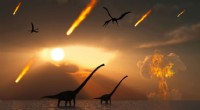
* Mass Extinctions: Geological events like volcanic eruptions, asteroid impacts, and climate change have triggered mass extinctions, drastically altering the course of evolution by eliminating entire lineages and opening up ecological niches for survivors to evolve into.
4. Radiometric Dating:
* Determining Age: Radiometric dating techniques allow scientists to precisely determine the ages of rocks and fossils. This is crucial for placing evolutionary events on a timeline and understanding the sequence of life's history.
5. Insights into Evolutionary Processes:
* Comparative Anatomy: Studying the anatomy of different species over geological time can reveal evolutionary relationships and how structures have changed to adapt to different environments.
* Molecular Evolution: Analyzing DNA and protein sequences allows scientists to trace evolutionary relationships and estimate the timing of divergence between species.
In Summary:
Geological time provides the vast timescale necessary for evolution to occur. The geological record, including fossils and rock formations, offers evidence of past life and environmental changes. These insights, combined with tools like radiometric dating, help us understand the tempo of evolution, the influence of environmental pressures, and the relationships between different life forms.