1. Weathering:
- Physical Weathering: Breaking down rocks into smaller pieces through mechanical forces like:
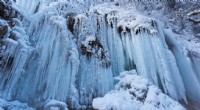
- Frost wedging: Water freezes in cracks, expands, and widens them.
- Thermal expansion/contraction: Rocks expand and contract with temperature changes, causing fracturing.
- Abrasion: Rocks and sediment rub against each other, wearing them down.
- Chemical Weathering: Dissolving or altering rocks through chemical reactions like:
- Carbonation: Carbon dioxide dissolved in water forms carbonic acid, which reacts with rocks like limestone.
- Oxidation: Reactions with oxygen, such as rusting of iron minerals.
- Hydrolysis: Water reacts with minerals, breaking them down.
2. Erosion:
- Water Erosion:
- Rain: Impacts the ground, splashing and transporting soil.
- Rivers: Carve channels, transport sediments, and form canyons.
- Waves: Shape coastlines, erode cliffs, and create beaches.
- Wind Erosion:
- Deflation: Wind lifts and carries away loose particles like sand and dust.
- Abrasion: Wind-blown sand particles scour rock surfaces.
- Glacial Erosion:
- Plucking: Ice freezes to rocks and pulls them away as the glacier moves.
- Abrasion: Glaciers grind and scrape rocks, creating valleys and U-shaped valleys.
- Gravity Erosion:
- Mass wasting: Downward movement of rock and soil due to gravity, including landslides, rockfalls, and creep.
3. Transportation:
- Erosional forces move the weathered material (sediment) via:
- Water: Rivers, waves, currents.
- Wind: Blowing sand and dust.
- Ice: Glaciers carry large amounts of rock and sediment.
- Gravity: Sediment rolls, slides, or flows downslope.
Effects of Erosional Forces:
- Landform Development: Creates diverse landscapes like valleys, canyons, mountains, beaches, and deserts.
- Soil Formation: Weathering breaks down parent rock, providing nutrients for soil development.
- Sediment Transport: Eroded material is transported and deposited, forming landforms like deltas, alluvial fans, and sand dunes.
- Environmental Impact: Erosion can cause soil loss, pollution, and landslides.
Understanding erosional forces is crucial for:
- Land management: Preventing erosion and preserving soil resources.
- Construction and infrastructure: Designing structures to withstand erosion.
- Environmental conservation: Protecting ecosystems from erosion and its consequences.