However, altitude is a major factor that influences biome distribution. As altitude increases:
* Temperature decreases: This affects the types of plants and animals that can survive.
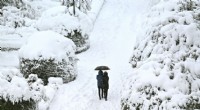
* Precipitation changes: Higher altitudes often receive more precipitation, but the type can change (e.g., more snow).
* Sunlight intensity decreases: This can limit plant growth.
Here's how altitude affects biomes:
* High altitudes (above the tree line): These areas typically transition into alpine tundra, with short, low-growing vegetation and cold temperatures.
* Mid-altitudes: These areas can support a variety of biomes, from temperate forests to grasslands, depending on latitude and other factors.
* Low altitudes: Biomes at lower altitudes are often warm and humid, supporting tropical rainforests, savannas, or deserts depending on rainfall patterns.
It's important to note that altitude is just one factor determining biome distribution. Other factors include latitude, rainfall, soil type, and human impact.
So, instead of talking about the "altitude of a biome", we can talk about the altitude range at which different biomes occur.