Natural Changes:
* Climate Change: Deserts are particularly susceptible to climate change. Shifts in rainfall patterns, increased temperatures, and more frequent droughts can drastically alter vegetation, water sources, and animal populations.
* Natural Cycles: Deserts experience natural cycles like El Niño and La Niña, which can bring temporary changes in rainfall and temperature.
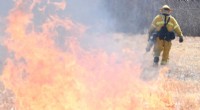
* Fire: While not as frequent as in other ecosystems, wildfires can occur in deserts. These events can reshape vegetation patterns and affect soil properties.
* Erosion: Wind and occasional heavy rainfall can lead to soil erosion, altering the landscape and impacting plant growth.
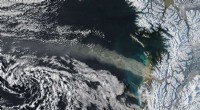
* Geological Processes: Earthquakes, volcanic eruptions, and tectonic shifts can cause long-term changes in the desert environment.
Human-Induced Changes:
* Overgrazing: Excessive livestock grazing can strip vegetation, leaving the soil vulnerable to erosion and making it difficult for native plants to recover.
* Water Extraction: Over-pumping of groundwater for agriculture, industry, or urban development can lead to the drying up of springs and oases, impacting both plant and animal life.
* Urbanization and Development: Construction and expansion of cities and infrastructure can fragment desert habitats, reducing wildlife corridors and altering the landscape.
* Pollution: Air and water pollution from nearby urban areas and industrial activities can harm desert ecosystems and impact biodiversity.
* Introduction of Invasive Species: Non-native plants and animals can outcompete native species, disrupting ecological balance and leading to biodiversity loss.
Impacts of Change:
* Changes in Biodiversity: Deserts are home to unique and adapted species. Alterations in habitat and resources can lead to species decline, extinction, or changes in animal behavior.
* Loss of Ecosystem Services: Deserts provide vital ecosystem services like carbon sequestration, water regulation, and soil stability. Changes can impact these services, affecting human well-being.
* Increased Desertification: Deserts are already characterized by aridity. Human activities can further exacerbate desertification, expanding barren areas and reducing the ability of the land to support life.
Understanding and Mitigating Change:
Understanding how desert ecosystems change is crucial for developing effective conservation strategies. Strategies include:
* Protecting Sensitive Areas: Identifying and protecting areas of high biodiversity and ecosystem services.
* Sustainable Land Management: Promoting practices that minimize soil erosion, prevent overgrazing, and conserve water resources.
* Restoring Degraded Habitats: Implementing restoration projects to revive degraded areas and increase resilience.
* Raising Awareness: Educating the public about the importance of desert ecosystems and the impact of human activities.
By implementing these strategies, we can help maintain the biodiversity, resilience, and vital services of our desert ecosystems.