1. Erosion: This is the most significant force.
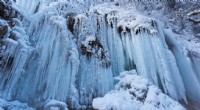
* Weathering: The breakdown of rocks due to wind, rain, ice, temperature changes, and chemical reactions. This weakens the mountain's structure.
* Transportation: The eroded material is carried away by wind, water, or ice, further reducing the mountain's height.
* Deposition: The eroded material is deposited elsewhere, eventually creating plains and valleys.
2. Tectonic Activity:
* Uplift: While uplift creates mountains, it also can eventually lead to their erosion. The higher a mountain is, the more exposed it is to weathering and erosion.
* Subduction: The process where one tectonic plate slides under another can gradually wear down mountains.
3. Glacial Erosion:
* Glaciers: These massive ice sheets carve valleys, deepen existing ones, and transport large amounts of rock, contributing to the lowering of mountains.
4. Volcanic Activity:
* Volcanoes: While eruptions build mountains, they can also cause them to collapse or erode over time.
5. Time:
* Geological Time: These processes happen over incredibly long periods, often millions of years. The gradual but relentless erosion of wind, water, and ice eventually transforms towering peaks into gentler hills.
Examples:
* The Appalachian Mountains in the eastern United States were once much higher than they are today. Erosion has significantly lowered their peaks and rounded their slopes.
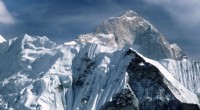
* The Himalayan Mountains, currently the highest in the world, are also subject to erosion. While they continue to rise due to tectonic activity, the forces of erosion are constantly working to wear them down.
It's important to remember that these forces work together in complex ways, and the transformation of mountains is a continuous, ongoing process.